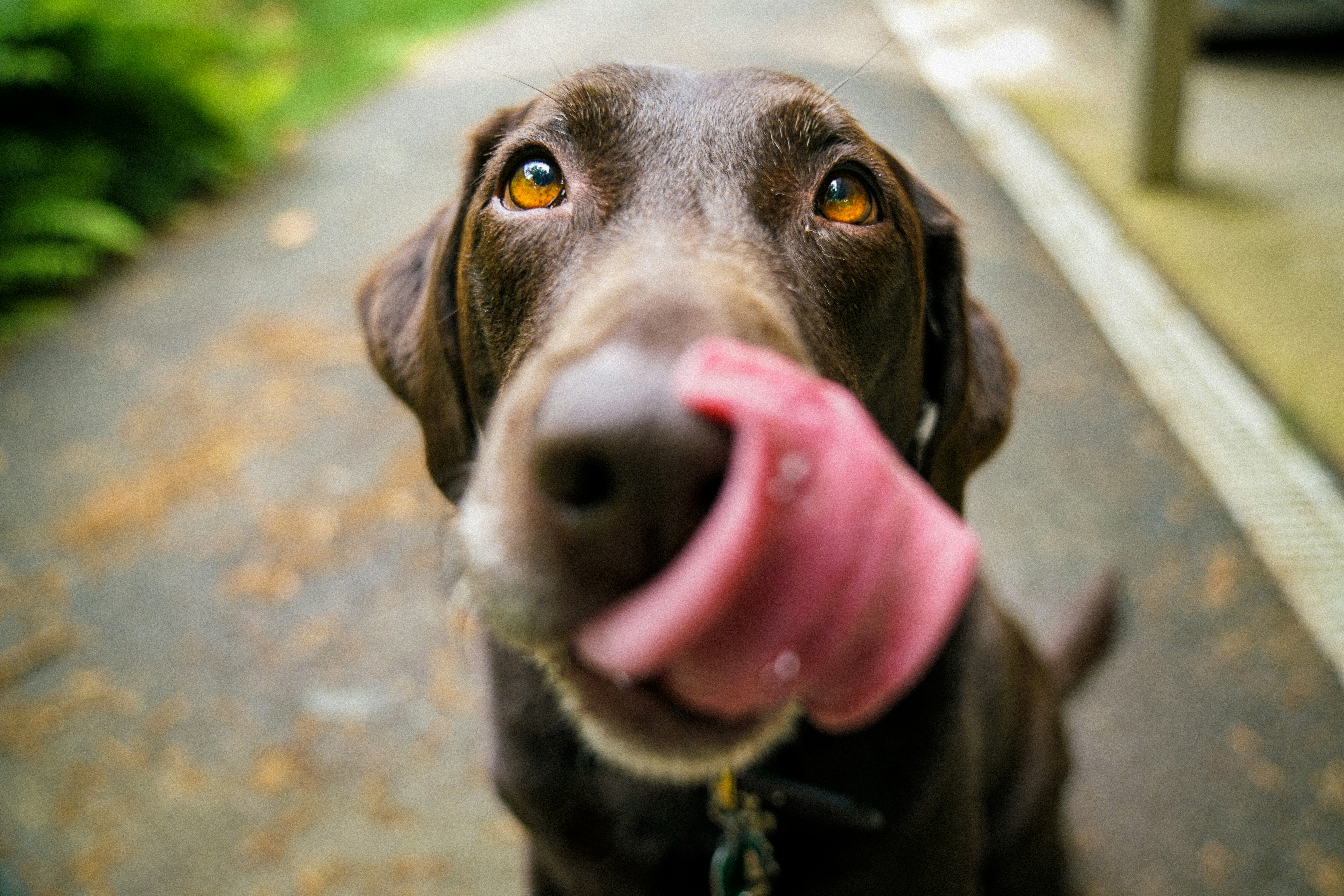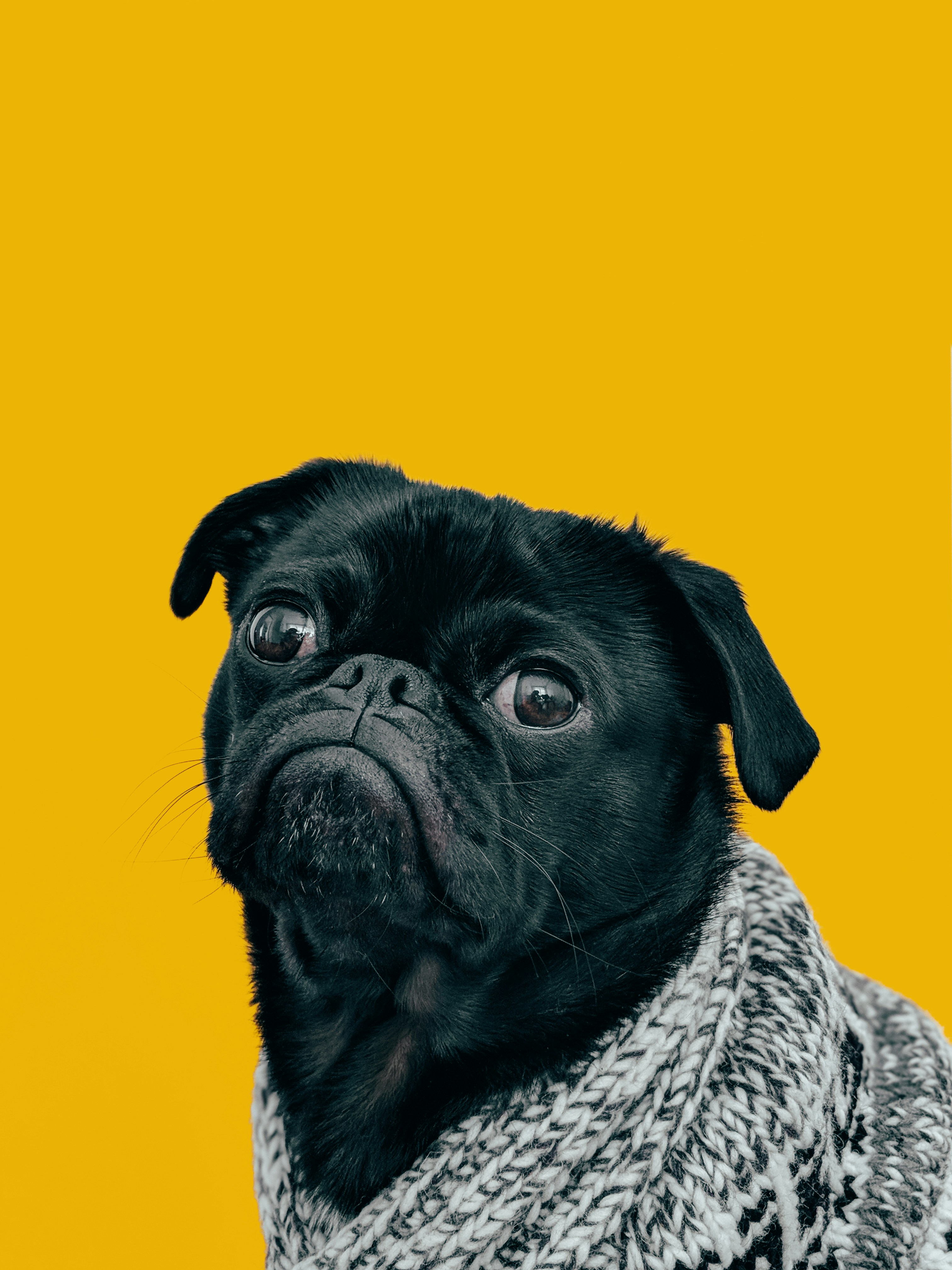
Puppies are naturally curious, playful, and full of energy, but they are also much more sensitive to environmental changes than adult dogs. Hot weather, especially in countries like Egypt, can quickly turn from uncomfortable to dangerous for young puppies if proper care is not provided. Understanding how heat affects puppies and how to protect them is essential for every dog owner.
This complete guide explains how to care for puppies during hot weather, covering hydration, feeding, exercise, housing, grooming, and warning signs of heat-related problems. With the right routine, your puppy can stay safe, healthy, and happy even during the hottest months.
Why Puppies Are More Vulnerable to Heat
Puppies cannot regulate their body temperature as efficiently as adult dogs. Their smaller bodies heat up faster, and they tire more easily. In addition, puppies often do not recognize when they need rest or water, so they rely on their owners to protect them.
- Immature temperature control: puppies overheat faster.
- Higher activity levels: play can quickly raise body temperature.
- Limited awareness: puppies may ignore early signs of exhaustion.
Understanding Heat Stress and Heatstroke
Heat stress occurs when a puppy’s body temperature rises above normal levels. If not addressed quickly, it can progress to heatstroke, a life-threatening emergency.
Common Signs of Heat Stress
- Excessive panting and rapid breathing
- Drooling or thick saliva
- Lethargy and weakness
- Warm ears and paws
Danger Signs of Heatstroke
- Vomiting or diarrhea
- Loss of balance or collapse
- Bright red or pale gums
- Unconsciousness
If you notice any severe symptoms, seek veterinary help immediately.
Hydration: The Most Important Rule
Keeping your puppy well hydrated is the first and most important step in hot weather care. Dehydration can develop quickly and worsen heat-related problems.
- Fresh water at all times: change it several times a day.
- Multiple bowls: place water in different areas of the house.
- Portable water: always carry water during outdoor trips.
Some puppies may not drink enough on their own. In such cases, offering water more frequently or adding a small amount of water to their food can help.
Feeding Puppies During Hot Weather
High temperatures can reduce a puppy’s appetite. This is normal, but nutrition must remain balanced.
Feeding Tips
- Feed during cooler hours: early morning or evening.
- Smaller meals: split daily food into two or three portions.
- Avoid spoiled food: remove uneaten food quickly to prevent bacteria growth.
Never force a puppy to eat in extreme heat. Monitor appetite and consult a vet if reduced eating lasts more than a day.
Exercise and Play: Timing Is Everything
Puppies need play and exercise for healthy development, but hot weather requires smart scheduling.
- Best times: early morning or after sunset.
- Short sessions: frequent short playtimes instead of long ones.
- Indoor activities: training games, puzzle toys, and gentle play.
Never allow a puppy to run on hot pavement, as it can burn sensitive paw pads.
Safe Housing and Environment
Your puppy’s living space should help them stay cool and relaxed.
- Good ventilation: fans or air conditioning if possible.
- Shade: always provide shaded resting areas.
- Cool surfaces: tiles are better than carpets in summer.
Grooming and Coat Care
Proper grooming helps puppies stay comfortable but must be done correctly.
- Regular brushing: removes excess hair and improves airflow.
- Avoid full shaving: some coats protect against heat and sunburn.
- Clean paws: wash after outdoor walks to remove heat and dirt.
Cooling Techniques That Are Safe for Puppies
There are simple ways to cool down a puppy without causing shock.
- Cool (not cold) water: gently wet paws and belly.
- Cooling mats: provide a comfortable resting option.
- Frozen treats: ice cubes made with water or puppy-safe broth.
Heat Safety Checklist
| Care Area | Best Practice | Why It Matters |
|---|---|---|
| Water | Fresh water always available | Prevents dehydration |
| Exercise | Short sessions in cool hours | Avoids overheating |
| Environment | Ventilated, shaded space | Supports body cooling |
| Grooming | Regular brushing | Improves heat tolerance |
| Monitoring | Watch for heat stress signs | Prevents emergencies |
Common Mistakes to Avoid
- Leaving puppies in cars: even for a few minutes.
- Over-exercising: puppies tire faster in heat.
- Ignoring early signs: small symptoms can escalate quickly.
When to Call the Vet
Contact a veterinarian immediately if your puppy shows signs of heatstroke, refuses water, vomits repeatedly, or becomes unusually weak. Early treatment can save your puppy’s life.
Final Thoughts
Taking care of puppies in hot weather requires attention, planning, and consistency. By focusing on hydration, safe exercise, cool living conditions, and early warning signs, you can protect your puppy from heat-related risks. With proper care, your puppy can grow safely and happily, even during the hottest seasons.