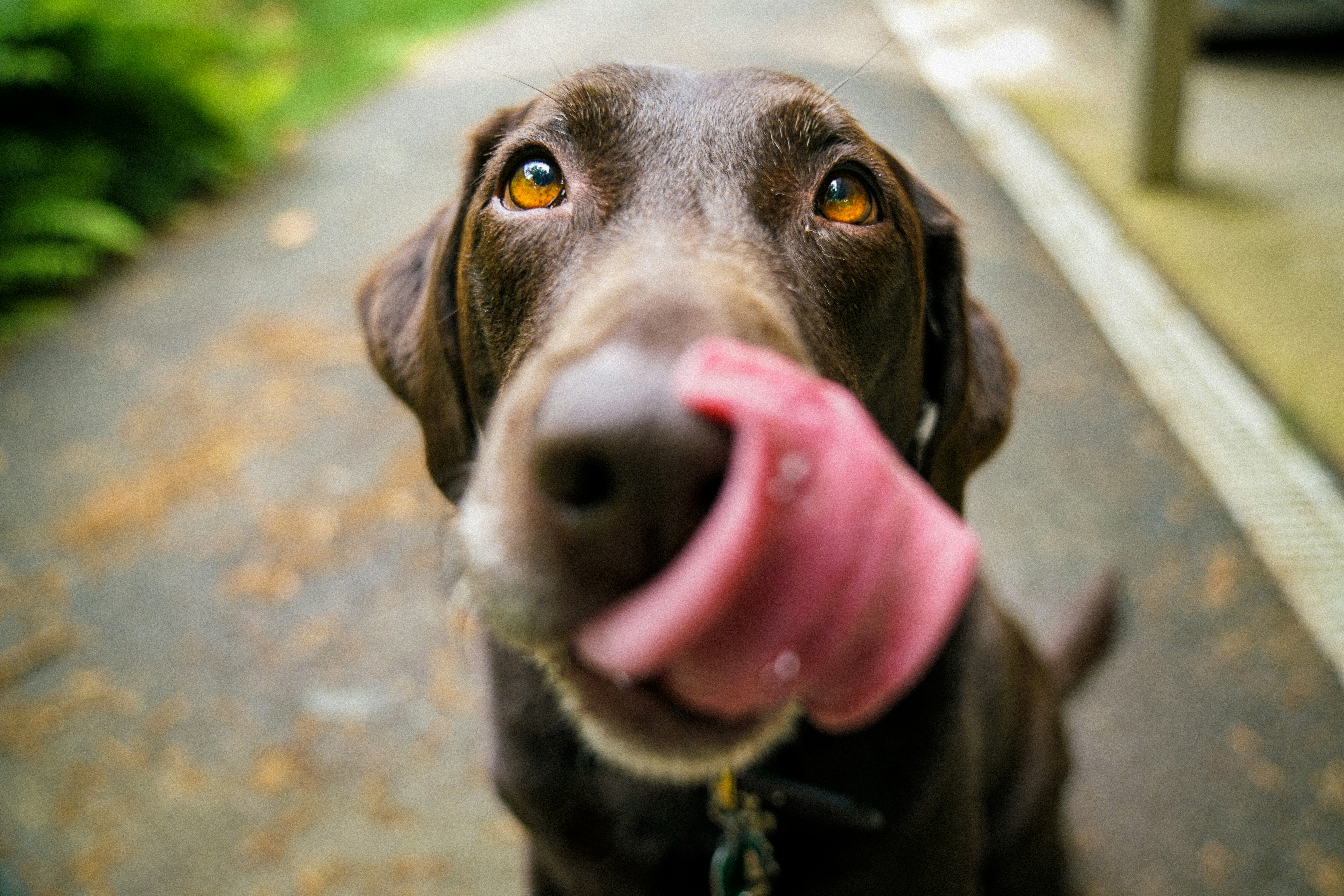
Dogs, like humans, can suffer from a wide range of health problems throughout their lives. Some diseases are mild and easily treated, while others can become serious or even life-threatening if ignored. Understanding common dog diseases and knowing how to prevent them is one of the most important responsibilities of a dog owner.
In Egypt, factors such as climate, parasites, nutrition, and limited preventive care can increase the risk of certain illnesses. This guide explains the most common dog diseases, their symptoms, causes, and practical prevention methods every owner should follow.
Why Disease Prevention Is Essential
Preventive care is always easier and less expensive than treatment. Many dog diseases can be avoided or minimized through vaccination, hygiene, proper nutrition, and regular veterinary checkups.
- Reduces veterinary costs over time.
- Extends lifespan and quality of life.
- Prevents contagious spread to other animals.
Common Infectious Dog Diseases
Canine Parvovirus
Parvovirus is one of the most dangerous viral diseases affecting dogs, especially puppies. It attacks the digestive system and can be fatal without prompt treatment.
- Symptoms: severe vomiting, bloody diarrhea, weakness.
- Transmission: contact with infected feces or contaminated surfaces.
- Prevention: vaccination and strict hygiene.
Canine Distemper
Distemper is a highly contagious viral disease that affects the respiratory, digestive, and nervous systems.
- Symptoms: fever, coughing, nasal discharge, seizures.
- Risk: often fatal or causes permanent damage.
- Prevention: core vaccination.
Rabies
Rabies is a fatal viral disease that affects both animals and humans. Once symptoms appear, there is no cure.
- Symptoms: aggression, excessive drooling, paralysis.
- Transmission: bites from infected animals.
- Prevention: mandatory vaccination.
Common Parasitic Diseases
Internal Parasites (Worms)
Worms such as roundworms, hookworms, and tapeworms are common in dogs.
- Symptoms: weight loss, bloated stomach, diarrhea.
- Prevention: regular deworming.
External Parasites (Fleas and Ticks)
Fleas and ticks are common in warm climates and can transmit serious diseases.
- Symptoms: itching, hair loss, skin infections.
- Prevention: monthly parasite control products.
Non-Infectious Dog Diseases
Hip Dysplasia
Hip dysplasia is a genetic joint disorder commonly seen in large breeds.
- Symptoms: limping, difficulty standing.
- Prevention: controlled exercise and healthy weight.
Obesity
Obesity is one of the most common preventable health problems in dogs.
- Risks: diabetes, joint problems, heart disease.
- Prevention: balanced diet and daily exercise.
Skin Allergies
Skin problems are common due to food allergies, parasites, or environmental factors.
- Symptoms: itching, redness, ear infections.
- Prevention: proper diet and grooming.
Dog Disease Comparison Table
| Disease | Main Cause | Key Prevention |
|---|---|---|
| Parvovirus | Virus | Vaccination |
| Distemper | Virus | Vaccination |
| Rabies | Virus | Vaccination |
| Worms | Parasites | Deworming |
| Fleas & Ticks | Parasites | Preventive treatment |
| Obesity | Overfeeding | Diet and exercise |
Vaccination Schedule Importance
Vaccines protect dogs from deadly diseases and are a cornerstone of preventive care. Puppies should follow a complete vaccination schedule, and adult dogs require regular boosters.
Daily Habits That Reduce Disease Risk
- Clean living environment.
- Balanced nutrition.
- Regular exercise.
- Routine vet visits.
When to See a Veterinarian
Seek veterinary care if your dog shows sudden changes in appetite, behavior, energy level, or physical appearance. Early diagnosis greatly improves treatment outcomes.
Final Thoughts
Most common dog diseases can be prevented or managed with responsible care, regular vaccinations, and early attention to symptoms. By staying informed and proactive, you can protect your dog’s health and ensure a long, happy life.