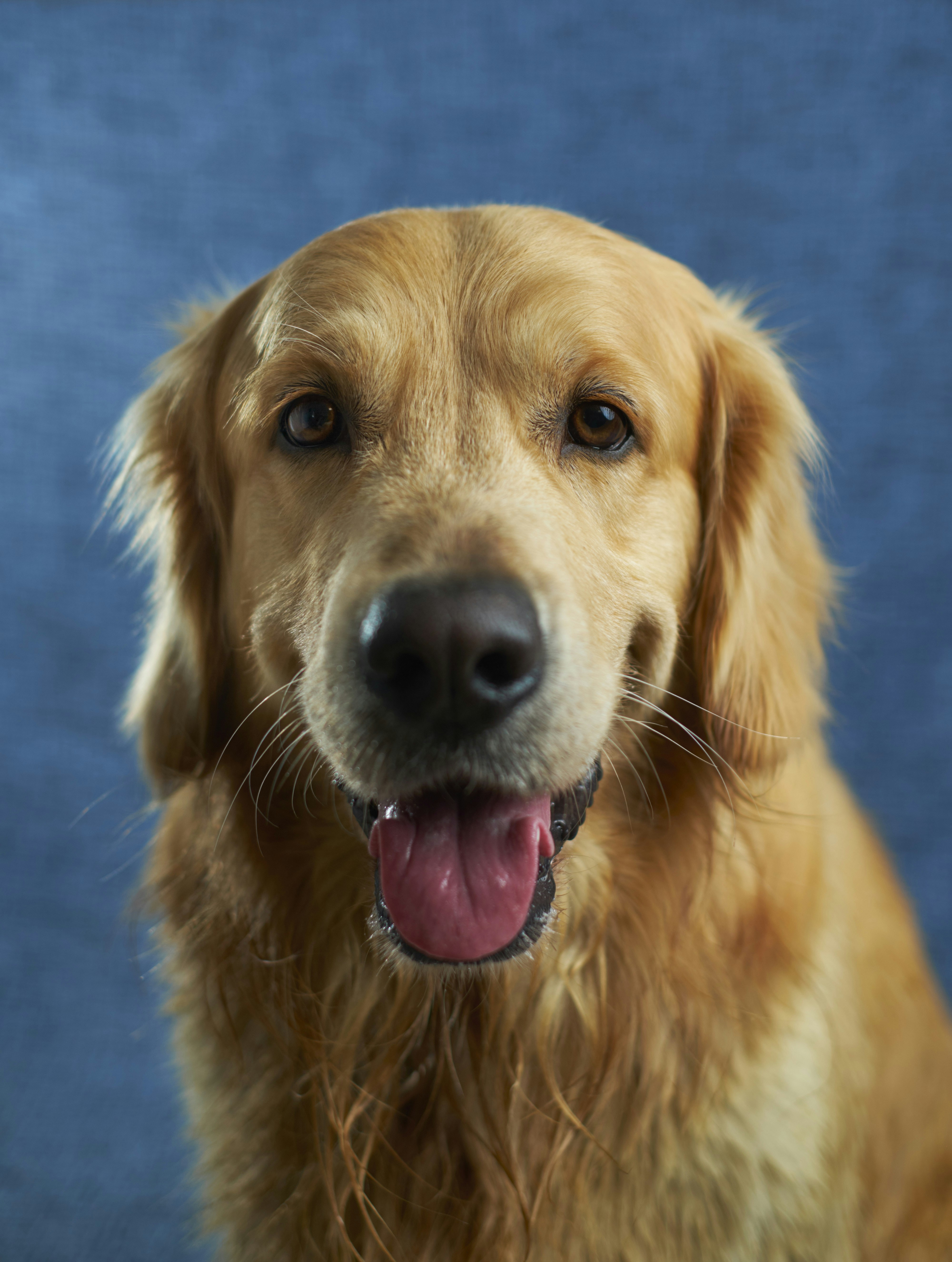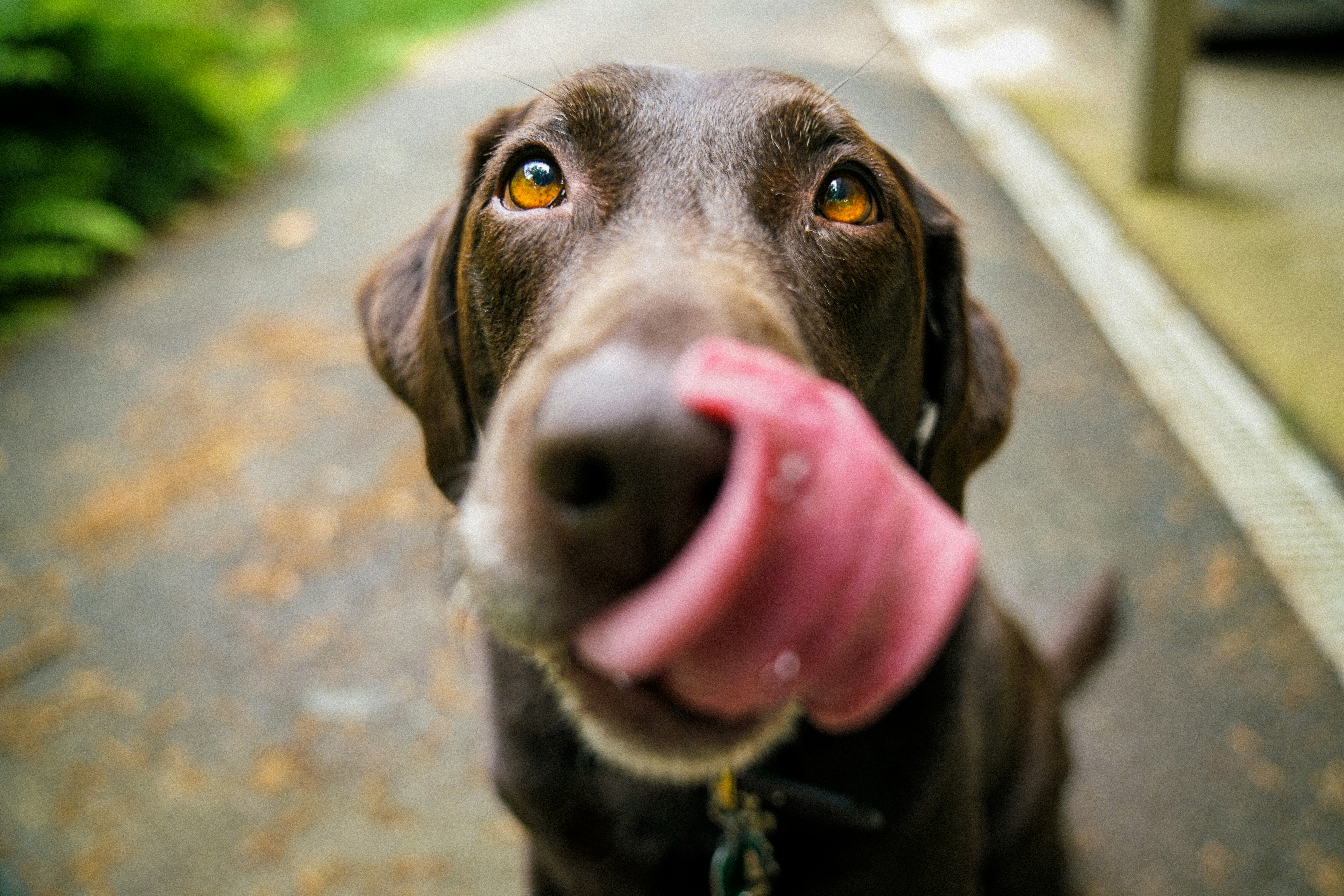
Exercise is a fundamental part of a dog’s physical health and mental well-being. Dogs that receive the right amount of daily activity are generally healthier, calmer, and better behaved. On the other hand, lack of exercise can lead to obesity, anxiety, and destructive behavior.
This detailed guide explains dog exercise needs, how they vary by breed, age, and size, and how to create a balanced exercise routine that fits your lifestyle, especially in warm climates like Egypt.
Why Exercise Is Essential for Dogs
Exercise supports nearly every aspect of a dog’s health.
- Maintains healthy weight and muscle tone.
- Improves joint health and mobility.
- Reduces stress and anxiety.
- Prevents behavioral problems.
Exercise Needs by Dog Age
Puppies
Puppies are full of energy but have developing joints.
- Short play sessions several times a day.
- Avoid forced long walks.
- Focus on play and basic training.
Adult Dogs
Adult dogs require consistent daily exercise.
- 1–2 hours of activity per day depending on breed.
- Combination of walks, play, and training.
Senior Dogs
Older dogs still need movement, but at a gentler pace.
- Low-impact walks.
- Short but frequent sessions.
Exercise Needs by Dog Size
Small Breeds
Small dogs need exercise, but not long-distance running.
- Short walks and indoor play.
- Mental stimulation is important.
Medium Breeds
Medium-sized dogs benefit from moderate daily exercise.
- Longer walks.
- Active games such as fetch.
Large Breeds
Large dogs often require structured exercise.
- Long walks at a steady pace.
- Avoid excessive jumping for joint health.
Breed-Specific Exercise Requirements
Different breeds were developed for different purposes.
- Working breeds: high exercise needs.
- Companion breeds: lower to moderate needs.
- Sporting breeds: high endurance activities.
Dog Exercise Comparison Table
| Dog Type | Daily Exercise | Recommended Activities |
|---|---|---|
| Puppy | 30–60 minutes | Play, short walks |
| Adult Dog | 60–120 minutes | Walking, running, training |
| Senior Dog | 30–45 minutes | Gentle walks |
Mental Exercise Matters Too
Mental stimulation is just as important as physical activity.
- Training sessions.
- Puzzle toys.
- Scent games.
Exercising Dogs in Hot Weather
High temperatures require special care.
- Exercise during early morning or evening.
- Provide constant access to water.
- Avoid hot surfaces.
Signs Your Dog Needs More Exercise
- Restlessness.
- Excessive barking.
- Destructive behavior.
Signs of Over-Exercising
- Limping.
- Excessive fatigue.
- Reluctance to move.
Creating a Balanced Exercise Routine
A good routine combines physical activity, mental stimulation, and rest.
Final Thoughts
Understanding your dog’s exercise needs is key to maintaining a healthy and balanced life. By tailoring activities to your dog’s age, breed, and environment, you ensure better health, improved behavior, and a stronger bond between you and your dog.